Third Eye NUTRITION
  • Home
  • About
  • Bio
  • Work With Me
  • Blog
  • Testimonials
  • Products
  • Supplements
  • Contact
  • Home
  • About
  • Bio
  • Work With Me
  • Blog
  • Testimonials
  • Products
  • Supplements
  • Contact
Search

                                       An ode to health...

Fake Olive Oil Versus Extra Virgin Olive Oil: Tips on How To Discern, Buy, and Store

9/30/2019

0 Comments

 
Picture
 ​About 5 years ago, mysterious concoctions arrived at my doorstep. The bottles were dark, viscous, unlabeled, and clearly home-brewed. I checked the shipping labels- it was from my soon-to-be-mother-in-law. I was a bit suspicious since we had recently gone through the ceremonial culling of “the extended families” from the wedding invites.  Was this some old Italian way to settle a score?
 
Thankfully, I realized she had graciously gifted me her latest olive oil harvest. What I discovered in the bottles was an incredibly, delicious olive oil that was vastly different from a store-bought version. Her oil was incredibly earthy and fresh; and the store-bought just seemed neutral. I could have literally swigged it right out of these tantalizing bottles.
 
This disparity in taste initiated an in-depth inquiry which ultimately led to a disturbing discovery- the olive oil industry was wrought with fraud. I found myself being incredibly frustrated and a bit paranoid that I really had no way of knowing if something was pure or impure. Through research and scouting, this blog is to provide you some guidance around discerning, buying and storing olive oil. 

Fraudulent Practices
Let’s start with the 3 major unethical acts that are sometimes employed by olive oil companies (this by no means implies all businesses engage in this behavior) (1).

  1. A farmer/company may label the bottle as something it is not. For example, one study indicated that ~ two-thirds of store-bought, imported olive oil failed to meet the criteria for “extra virgin” (2). They command a higher price and, in essence, fool the consumer.

  2. The product may be diluted with neutral tasting oils such as soybean, canola, pomace, and peanut oil in order to increase bottle yield. There are three major issues with this process:  
  • It lacks integrity.
  • Olives are known to be a monounsaturated fat which are molecularly more stable than other polyunsaturated fats. If an unstable oil is added to the olive oil, it            increases the likelihood of free radical production and rancidity.
  • If you have a serious food allergy or even a mild food sensitivity to one of the undisclosed oils, you will likely react without really knowing why. 

​   3. Farmers will actually use inedible, rotten olives for production and then refine it at a        low temperature to remove the rancid smell and taste. What you typically get is a            deodorized oil that is loaded with free radicals and peroxides that induces                         inflammation and oxidative stress in your body. People are ingesting these products 
      in the name of good health, when in reality it is likely contributing to your demise.
 
In the last 10 years, dozens of associations and councils have been created in order to test and ensure that these products remain adulterated-free but here are some guidelines and resources for you to discern the tainted from the untainted. 
Picture

​Best Regions:
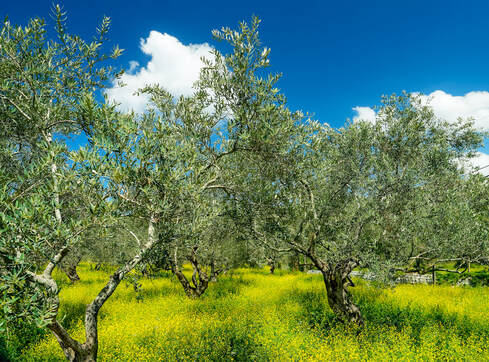
Chile, Australia, and California tend to consistently meet the standards for olive oil. The EU and Italian government are improving their regulatory agencies so no need to avoid European oils. However, don’t assume a label stating “Bottled from Italy” is actually from Italy. Often the manufacturer will import olives from various regions, blend it, and then repackage it for marketing purposes. That bottle labeled with a romantic Tuscany hillside may actually be from Spain or Greece. Focus on the letters PDO (protected destination of origin) or PGA (protected geographical indication) which indicate specific mills and a better indication of an olives’ origin. Regardless of origin, develop some olive oil detective skills to distinguish a quality brand.   

Make Sense of It with Your Senses
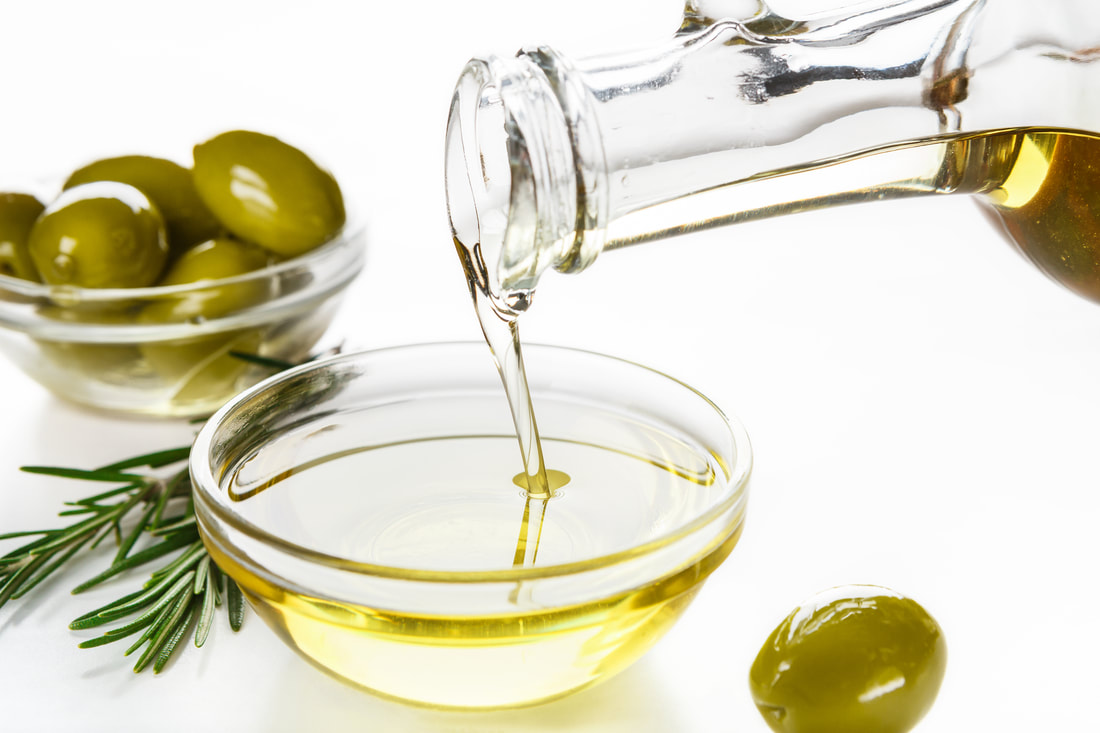
Pure olive oil should taste fruity, peppery, zippy, and bitter. That bitterness or zing is actually the antioxidants and indicative of a high-quality product.

With that said, there are over 700+ types of olives in the world which means flavor notes will vary (3). Steer clear if the oil tastes moldy, heavy, and rancid; it should smell fresh, aromatic, earthy, and crisp.

​Color typically does not imply poor quality except for orange hues.
 
Note: Additives like basil, citrus, and garlic may increase the rate of rancidity or have an artificial flavor added to it for marketing purposes. 

Storage Tips
  • Store all olive oil in a dark, container away from light with a tight seal. Light and air will oxidize oil and speed up rancidity. You may also throw it in the refrigerator if you’re an infrequent user.
 
  • Container material ought to be dark glass, tin, or ideally stainless steel.
 
  • Always make sure there is a “best by” date and throw out anything that smells funky or older than a year. Most manufacturers will encourage consumption within 2 years of “best by”, BUT the clock starts ticking when the olives are processed. “Best by” dates are not always a great indicator of freshness because the stamp is placed when it is bottled not processed.
 
  • Freezing your oil is a storage option; however, it does increase sediment formation and therefore rancidity rate when thawed.  
Picture
Purchasing Tips
  • It is likely a tainted product if the container is large and cheap (think Costco, TJ’s, BJ’s, etc.) What’s cheap? A liter for $10. This is slowly changing due to the monumental strides in the manufacturing process, so apply the other tips mentioned in this blog for discernment.
 
  • Olive oil, in essence, is olive juice. It will start to degrade in quality from the moment it is extracted. You do not ever want to put rancid oil in your body. Ever. So again, purchase small amounts frequently (I try to go through my oil in about 6 weeks). DO NOT HOARD your olive oil.
 
  • Don’t buy olive oil that is sold in clear glass or plastic containers. The product will likely possess higher amounts of free radicals and peroxides (inflammatory compounds) due to oxidation.
 
  • Be aware that unfiltered oil with sediment is not an indicator of an inferior product, but it does spoil faster. Use unfiltered oil faster or store in the refrigerator as it will influence quality and taste over time.  
 
  • If possible, purchase from the grower.
 
  • Avoid bottles with: dust on the container, an unsealed lid, evidence of leakage, and an odd orange hue indicating excessive, fluorescent light exposure. 

Look for these Stamps of Approval:
  • COOC- California Olive Oil Council
  • EVA (Extra Virgin Alliance)
  • UNAPROL (Italian alliance with a stamp of approval 100% Qualita Italiana)
  • NAOOA (North American Olive Oil Association)
  • International Olive Oil Council
  • Australian Olive Association
  • Organic is likely a better choice but not always a guarantee of quality.
 
If printed on the label, avoid oils indicating a high FFA (free fatty acid) and peroxides. This is an indication of oxidation and free radical production from oxidized oil (for whatever reason, i.e. bruising, mold, etc.) Try choosing an oil less than .2% FFA and peroxides < 10 meq/kg (2). 
​Marketing Ploys
Don’t let marketing buzz words fool you. Steer clear of inane words that are meant to induce purchase, but really are meaningless, such as:  
  • “light” (light in flavor insinuates dilution; 100% real olive oil will have a distinct, earthy odor)

  • “pure”
​
  • “natural”

  • “premium”

  • “cold-pressed” (olives are not really “pressed”; they’re thrown into a centrifuge and spun).

  • “first cold pressed”

  • “extra virgin” (if this is cheap and comes in a larger bottle be very suspicious)
Picture
Now that you know the basics, where the heck can you purchase high quality olive oil? There are 4 places to look:
  1. farmers market
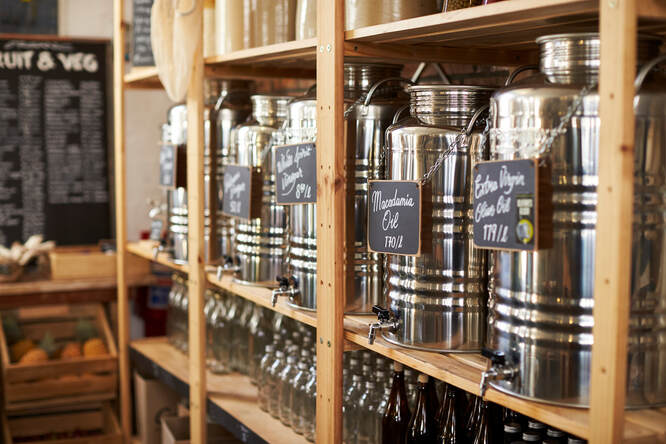
  2. a grocery store or oil bar
  3. online
  4. grow your own
 
Since option d is not feasible for most people, my top two choices are farmers markets and online.

Farmer Markets
I like farmers markets because you’re able develop rapport and ask very specific questions about their product. The closer you purchase it from the mill, the better. You also may taste it right there to find out if it hits the mark in terms of bitterness and pungency.
Ask The Right Questions:
  1. Who grew it?
  2. What region/country?
  3. Date of harvest?
  4. Are they self-testing the product for quality?
  5. When was it processed versus bottled?

Online
There are quite a few online vendors, but I chose ones that were associated with the various councils and associations in the United States that have a certified stamp. Here are some online vendors that are known to have high quality standards:
 
      Olive Oil Lovers
      All Things Olive
      Beyond the Olive
      Grove Provisions
      Fresh Market
      Market Hall Foods
      New Seasons Market
      Olea Estates
      The Olive Garden Ltd. (Japan)
      Olive-me & Co (Canada)
      Olive Pit
      Oliver’s Market
      Olive This Olive That
      Suncoast Organic Farm
      The Quail & Olive
      Vervana
      We Olive
      Williams-Sonoma
      UC Davis Olive Center
      Australian Olive Association ​

Grocery Stores 
Markets obviously are a good source but do consider the moderate chance of an adulterated product.   ​
Picture
Oil Bars
Specialty shops are a great choice because you can ask questions and sample. ​

Brand Names:
Here are two websites that provide a long list of various brand names, but always look for the stamp of approval and keep alert for any signs of a flawed product.
 
A list of name brands:  https://www.aboutoliveoil.org/certified-olive-oil-list

​A list of custom millers from California: https://www.cooc.com/industry-resources/custom-milling/

​Great Resources:
These are just a few of the many groups out there that pride themselves on superior olive oil and a good place to dive in deeper.
 
Olive Oil Times
UC Davis Olive Center
Olive Oil Source
Australian Olive Association
California Olive Oil Council
North American Olive Oil Association
International Olive Council

Copious amounts of research support the health benefits of a daily dose of extra virgin olive oil. But those benefits are only effective if you’re consuming an oil that is authentic and chock full of antioxidants. You now have another resource to help navigate the tricky world of olive oil. Good luck!​

Check Out My YouTube Video on Olive Oil!
Want more? Join me at 
https://www.facebook.com/events/426406021252139/
for my weekly Facebook Live!
References:
  1. https://goop.com/wellness/health/the-heartbreak-of-global-olive-oil-fraud-and-what-to-do-about-it/
  2. https://1.oliveoiltimes.com/library/ucd-2010-report.pdf
  3. https://web.archive.org/web/20180623151429/http://extravirginity.com/great-oil/how-to-buy-great-olive-oil
 

0 Comments

Your comment will be posted after it is approved.


Leave a Reply.

    Author

    Shannon is a registered dietitian and functional nutritionist with a penchant for provocative topics, almond butter, and local theater.
    .

    Archives

    November 2019
    October 2019
    September 2019
    August 2019
    July 2019
    June 2019
    May 2019
    April 2019
    August 2015
    July 2015

    Categories

    All
    - Beauty
    - Food
    - General
    - Macronutrients
    - Nutrients
    - Sleep

    RSS Feed

Proudly powered by Weebly
  • Home
  • About
  • Bio
  • Work With Me
  • Blog
  • Testimonials
  • Products
  • Supplements
  • Contact